lymphedema treatment

Frequently Asked Questions Regarding Wearing Compression Bandages

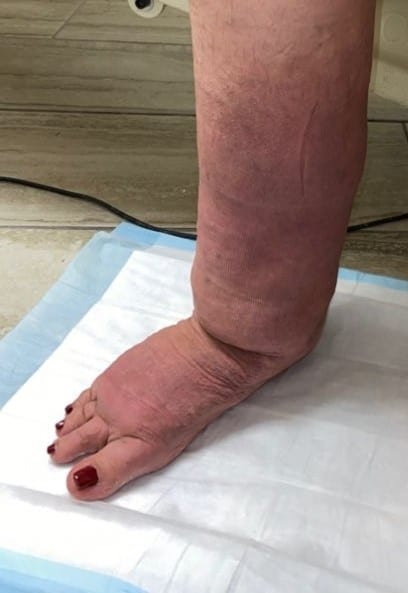
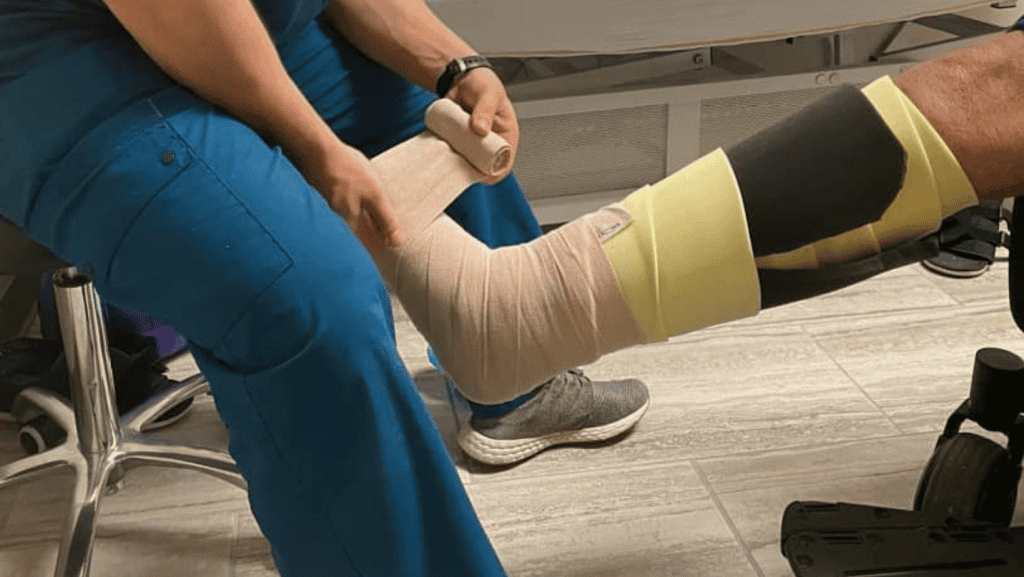
Frequently Asked Questions Regarding Wearing Compression Bandages Many Lymphedema patients have lots of questions regarding going about their daily activities while wearing compression bandages.— While wearing compression bandages is an adjustment, you will still be able to perform most of your daily activities, such as walking, driving, etc. Some Frequently Asked Questions— How can I shower with compression bandages on? Everybody has their own method, but we recommend using cast covers or well secured trash bags to cover the bandages while showering, so they do not get wet. We also recommend using a shower chair to avoid slipping or falling in the shower. What should I do if my bandages are falling between treatments? Occasionally towards the beginning of a patient’s course of treatment, bandages may start to fall due to rapid reduction in swelling. If this does happen, first assess whether your circulation is being restricted at any point. If any part of the bandage is cutting off circulation, remove the bandages. If the bandages are not affecting your circulation, attempt to remove the section where the bandage is falling. If it is possible to keep any of the bandages on until your next treatment, it is advisable to do so. What should I do if my bandages are too tight? Some patients complain of their bandages feeling too tight towards the beginning of treatment. While this may just be part of the patient adjusting to wearing compression bandages, if it is too bothersome, we recommend removing 1 bandage at a time to alleviate the feeling of tightness. If it is possible to keep any of the bandages on until your next treatment, it is advisable to do so. Do you have any questions about compression bandaging?? Post your questions below!

Frequently Asked Questions Regarding Wearing Compression Bandages Read More »

sleep apnea and lymphedema

Sleep Apnea and Lymphedema

Obstructive Sleep Apnea and Lymphedema Did You Know… In a study conducted by Roux, Villemur & et al., 74% of their subjects (whom all had Lymphedema) also presented with Obstructive Sleep Apnea. Obstructive Sleep Apnea is a common condition in which one experiences abnormal breathing patterns and actually stops breathing multiple times while they are asleep. This happens due to soft tissue collapsing in the back of the throat. This causes a lot of stress on the heart and when left untreated can lead to many serious complications. Signs and Symptoms People with Obstructive Sleep Apnea commonly present with the following signs– gasping for air and snoring. The most common symptoms of Obstructive Sleep Apnea include– fatigue, dry mouth, decreased attention, irritability and more. It has been shown that in Lymphedema patients, fluid accumulates at night– sometimes in areas which can obstruct their airway. This pattern occurs most frequently in lower extremity Lymphedema patients. Testing and Treatment If you or someone you know is presenting signs of Obstructive Sleep Apnea or is at risk of developing Obstructive Sleep Apnea, there are sleep studies which can be done to diagnose Obstructive Sleep Apnea and other sleep disorders. Treatment for Obstructive Sleep Apnea is a combination of lifestyle changes and a therapy called Positive Airway Pressure in which a machine delivers air pressure through your nose and sometimes the mouth. The most common type of Positive Airway Pressure device is a CPAP (Continuous Positive Airway Pressure) which provides continuous air pressure– helping the airway passages to stay open. Please contact us if you have any questions. We are here to help!

Sleep Apnea and Lymphedema Read More »

Lymphedema Friendly Travel

Lymphedema Friendly Travel

Lymphedema Friendly Travel As we head into the season full of holidays and travel, it’s important for all Lymphedema patients and at risk patients plan Lymphedema friendly trips. If you are at risk or have Lymphedema, please be aware and careful to avoid physical stresses that could trigger an increase in swelling. Stay Compressed During Your Travel The most important tip for a Lymphedema patient to follow during travel is to stay compressed as much as possible. (Wear your compression wear!) Often times travel involves long periods of sitting (without being able to elevate extremities), which is not good for swelling. Wearing your compression wear during the travel will help you combat this potential risk for swelling. The changes in pressure and altitude in plane flights can cause anyone to experience swelling, so it is particularly important to stay compressed as possible during plane flights. Ask for Help Sometimes traveling can be tricky– heavy suitcases, carry-ons, elevators and more. Lugging around heavy bags and jumping on shuttles can cause some stress on your system and trigger swelling. Be cautious and don’t be afraid to ask for help! Keep Up Your Routine Keep up your Lymphedema routine as much as possible throughout your vacation. While it is an extra thing to carry, it will benefit you to bring your compression device and continue pumping. If you have an exercise routine, keep it up! While it is a time to enjoy family, food and beverages, be conscious of what you consume. Keeping up your routine will help you a LOT if you are having a few extra calories! If you have questions or concerns about traveling with Lymphedema, feel free to reach out to one of our specialists.

Lymphedema Friendly Travel Read More »

Lymphedema Therapy Specialists

Head and Neck Lymphedema

Head and Neck Lymphedema   While Lymphedema most commonly occurs in the extremities, it can occur in other regions such as the head and neck region, the breast and chest region or the genital region. There are 2 types of Lymphedema- primary and secondary. Primary lymphedema is hereditary and occurs due to a problem when forming the lymphatic system. Secondary Lymphedema develops if the lymphatic system is damaged due to a surgery, accident or pre-existing condition. Prevalence of Head and Neck Lymphedema This article will focus on head and neck lymphedema.– As mentioned above, Lymphedema can be hereditary in any part of the body. More commonly head and neck Lymphedema develops after some form of cancer treatment. Radiation and biopsies in this region can both lead to the development of Lymphedema. The head and neck region are full of lymph nodes making it very difficult to avoid during radiation or cancer biopsies. While head and neck cancer patients make up a very low percentage of cancer patients, the prevalence of developing Lymphedema amongst these head and neck cancer patients is extremely high– sitting at about 50%. Early detection and intervention of Lymphedema in the head and neck region is critical. If left untreated, the patient may begin to experience difficulty breathing, speaking and swallowing. The swelling begins in the internal structures such as the larynx and pharynx and gradually comes to the surface and becomes more visible. Prevention of Head and Neck Lymphedema As with all types of Lymphedema, it is important to be educated on practices that can help to avoid developing Lymphedema. It is important to avoid injuries, cuts, bruises and bites in the affected area, as these things can trigger the onset of Lymphedema or trigger a flare up in someone who already has Lymphedema. Other important prevention practices are– Maintain a healthy body weight Exercise regularly Sleep with upper body slightly raised Treatment of Head and Neck Lymphedema Treatment of head and neck Lymphedema is based on Complete Decongestive Physiotherapy. The most important components of Decongestive Physiotherapy for head and neck Lymphedema patients is Manual Lymph Drainage and Compression Wear. Manual Lymph Drainage is a light, manual therapy which assists the flow of Lymph fluid from the affected area back into the lymphatic system. Another important component of Decongestive Physiotherapy is Compression Wear. There are plenty of options of Compression Wear to suit the patient’s needs including custom sizing and fitting for the patient. Compression Wear is extremely important for head and neck patients to maintain the reduced swelling achieved through Manual Lymph Drainage. If you or someone you know is experiencing swelling that sounds similar to this, please contact us right away to work towards a plan of care.  

Head and Neck Lymphedema Read More »

Chronic Venous Insufficiency

Chronic Venous Insufficiency and Lymphedema

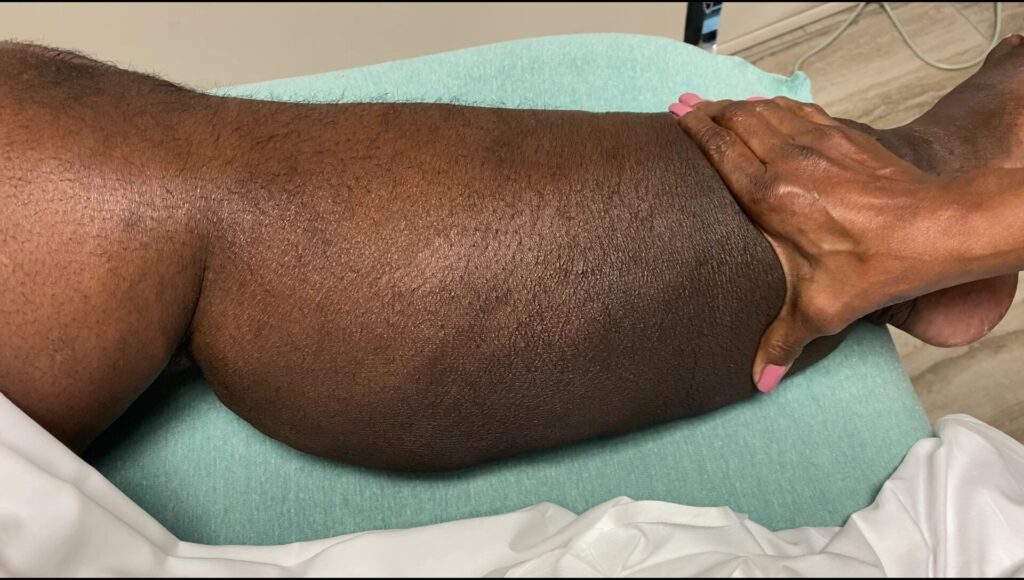
Chronic Venous Insufficiency and Lymphedema Chronic Venous Insufficiency is a disease in which the veins stop functioning properly resulting in blood ‘pooling’ in the veins. This is due to blood clots in the lower extremities due to Deep Vein Thrombosis (DVT) in which the valves in the veins become insufficient. If Chronic Vein Insufficiency is left untreated, it can lead to many serious problems, one being– Lymphedema. Lymphedema is a serious condition which needs to be addressed immediately to avoid further complications. If you are experiencing– Swelling in your ankles New varicose veins Weeping wounds Skin becoming hard or changing texture Contact a Lymphedema specialist right away!

Chronic Venous Insufficiency and Lymphedema Read More »

breast cancer

Breast Cancer and Lymphedema

Breast Cancer and Lymphedema Lymphedema is commonly experienced in breast cancer patients who have undergone a mastectomy, lumpectomy or radiation. Often times, lymph nodes are removed or damaged during surgery or treatment. This damage to the lymphatic system can cause blockages in the lymph vessels resulting in swelling (Lymphedema). According to multiple studies cited in the Susan G. Komen website, “10-20% of women who had axillary dissection develop Lymphedema”. In breast cancer patients, the Lymphedema typically develops around 1 to 3 years after surgery and will require treatment to reach a more manageable level of swelling. With treatment, patient education and continued use of compression wear and a pneumatic compression device, most patients are able to easily manage their swelling on their own. If you or someone you know has or has had breast cancer, it helps to be informed on the possibility of developing Lymphedema. Please reach out to us with any questions you may have!

Breast Cancer and Lymphedema Read More »

Compression Wear

Compression Wear for Lymphedema

Compression Wear for Lymphedema Compression garments or compression wear play a huge role in Lymphedema management. Compression wear provides an easy way to keep pressure on the affected area to manage swelling. For someone with significant Lymphedema, compression wear is recommended towards the end of a course of Lymphedema treatment to help patients have options for managing their swelling at home. The compression garments typically recommended by professionals for a Lymphedema patient are not the compression garments that you may find at your local sports store. It is important for a Lymphedema specialist to prescribe the compression wear based on the patient’s level and area of swelling. Lymphedema grade compression wear is measured in millimetre of Mercury (mmHg) which is simply a manometric unit of pressure. Some Lymphedema compression wear is what is referred to as ‘gradient compression’ which means more pressure is applied to the distal part of an extremity (such as near the hand or foot) and gradually lessens in pressure as it travels up the arm or leg. This method is very efficient in avoiding swelling and encouraging fluid to circulate. Some patients may require or benefit most from a custom compression garment. A therapist will measure the patient and send off the measurements to a top Compression manufacturer such as Sigvaris or Juzo, who will then design the compression wear specifically for the patient. In conclusion, compression wear for Lymphedema management is critical and most beneficial when used towards the end of Complete Decongestive Physiotherapy treatment which includes Manual Lymphatic Drainage, Multi-layer Compression Bandaging and Pneumatic Compression Pump Therapy. If you or someone you know would benefit from Lymphedema treatment, feel free to contact us!

Compression Wear for Lymphedema Read More »

Skin Care Lymphedema

Skin Care Tips for Lymphedema Management

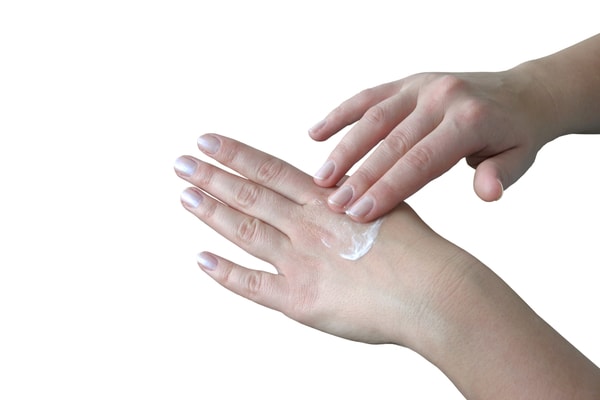
Skin Care Tips for Lymphedema Management Skin care  is a very important component in Lymphedema management. People with Lymphedema can experience many changes in their skin. Many people with Lymphedema experience a ‘hardening’ of the skin where it becomes stiff and often dry. To help avoid skin problems due to Lymphedema, it is important to follow some general skin care rules and create your own daily skin care routine. Here are some tips and tricks to follow to keep your skin healthy in spite of Lymphedema– Skin Care Routine Be sure to keep a close eye on the way your skin looks & feels in the affected area. Cleanse the skin and moisturize on a daily basis. (Using a moisturizer such as Eucerin or Aquaphor is highly recommended for many skin types) Moisturizer will help preserve the integrity of the skin and hence, help to avoid infection. General Skin Care Tips People with Lymphedema must be particularly careful to avoid a puncture, bite or scratch of any type in their affected area as this can result in a flare up of their Lymphedema. This includes insect bites, cuts, knicks, scratches and injections of any kind. To help avoid these circumstances, take extra precautions such as wearing gloves while cutting, wearing protection to shield the area from insect bites, be extra careful when using razors or other sharp objects. Similarly, be very careful to avoid a sunburn– this can also result in a flare up of your Lymphedema. Always use generous UV protection. Another recommendation is to avoid taking hot baths or applying anything with extreme heat to the affected area or side of the body. Nail Care Proper nail care is critical to avoid infection in the hands and feet. It is very important to never cut the cuticles of your fingernails or toenails as this can facilitate an infection. While it is important to have healthy nails, if you get a manicure or pedicure you must be extra careful that all tools have been properly sanitized and that the manicurist pushes the cuticle instead of trims the cuticle. It is also recommended to use clippers and not scissors to cut the nails to avoid a nick or cut. If you live by these Skin Care tips, you should be off to a great start with your Lymphedema management. If you’re interested in learning more about Nutrition & Lymphedema, click here.

Skin Care Tips for Lymphedema Management Read More »

Healthy Food for Lymphedema Management

Nutrition, Exercise and Lymphedema

Nutrition, Exercise & Lymphedema Did You Know…  If you have Lymphedema, the foods that you eat not only impact your overall health and weight, but also have a huge impact on your Lymphedema.. Learn more about how nutrition and exercise can effect your Lymphedema.  Sodium It is always important to consume a balanced diet and avoid excessive sodium, sugar or fat. But, for people with Lymphedema, limiting your sodium intake is particularly crucial. Sodium causes fluid retention, which results in increased swelling.  Protein Lymph fluid is high in protein, but this does not mean that you should limit your protein intake. Protein is very important to a balanced diet and a healthy body.  Avoid consuming all of your protein in red meat– instead consume a variety of high protein foods. Chicken, fish and legumes are easy to digest and often are a lean source of protein. Stay Hydrated Drinking lots of water and always staying hydrated is extremely important to managing your Lymphedema. Lymph fluid is full of protein and doesn’t flow as freely as water. So, adding water to your diet will help to encourage the circulation of lymph fluid.  Dairy While it is not necessary to stop consuming dairy, it is recommended to stick to lower fat content dairy products and include more cultured dairy such as yogurt and kefir. Alcohol & Caffeine Alcohol & caffeine are both known diuretics which result in increased fluid retention, so it is recommended to have very limited quantities or none at all.  Exercise In addition to a nutritious diet, exercise can also have a huge impact on your Lymphedema—  Exercise in concurrence with Complete Decongestive Therapy can be extremely effective. Exercise causes muscle to tighten and release which facilitates in the flow of fluid.   Specific exercises are recommended on a personal basis according to their area of swelling and overall health. 

Nutrition, Exercise and Lymphedema Read More »

Lymphedema Therapy – Lymphatic massage vs. Manual Lymphatic Drainage

Lymphedema Therapy – Lymphatic Massage Houston The basic strokes used in massage (e.g., petrissage, effleurage, tapotement, vibration, and friction) are generally applied with more pressure than manual lymph drainage techniques. The effects of massage strokes are not limited to suprafascial tissues (e.g., the skin), but also cause reactions in subfascial areas such as muscles, tendons and ligaments. Massage strokes can increase local arterial blood flow and venous and lymphatic return, and can also loosen subcutaneous adhesions. Many massage therapy publications list edema as one of the indications for these techniques. This statement, while correct, is often misleading if the distinction between edema and lymphedema is not established. Edema in suprafascial tissues can be caused by various problems, including inflammation or impaired venous return (valvular insufficiency, pregnancy, or prolonged sitting and/or standing). With edema, the lymphatic system remains intact but is overloaded. This condition, called dynamic insufficiency, results in the accumulation of water in the tissues. Massage therapy may be beneficial for some forms of edema but is contraindicated for others. It should not be applied without prior consultation with a physician. On the other hand, lymphedema is always caused by mechanical insufficiency of the lymphatic system; water and protein accumulate in the tissues. As discussed earlier, in the case of mechanical insufficiency, the transport capacity of the lymphatic system falls below the physiological level of water and protein load and is not able to appropriately respond to an increase in lymphatic loads. Negative Effects Of Massage Therapy On Lymphedema Most massage strokes cause an increase in arterial blood flow (active hyperemia) in skin areas where such techniques are applied. Active hyperemia is accompanied by an increase in blood capillary pressure and subsequent increase in ultrafiltration of water in the area of the blood capillaries. This process results in more water accumulating in the interstitial spaces. Water represents a lymphatic load. Due to mechanical insufficiency, the lymphatic system will not be able to manage this additional water load. If massage therapy to lymphedematous tissues, an increase in swelling may result. Additionally, superficial lymphatics are extremely vulnerable to external pressure. Traditional massage techniques can cause focal damage to anchoring filaments and the endothelial lining of lymph vessels.2 This possible damage to lymphatics, and the potential increase in arterial blood flow must be avoided. Lymphedema Therapy Specialists We are happy to serve you and all of your Lymphedema needs. We are located in central Houston, TX providing a convenient location for patients who reside in Houston or surrounding areas. If you are looking for Lymphedema treatment in Houston, TX, contact us now! We will do everything we can to treat you as soon as possible.

Lymphedema Therapy – Lymphatic massage vs. Manual Lymphatic Drainage Read More »

Our Kirby / Medical Center location has moved! Our new address is—2385 W. Bellfort Ave. #100, Houston, TX 77054