

Uncategorized

Lymphedema Therapy Specialists

Head and Neck Lymphedema

Head and Neck Lymphedema   While Lymphedema most commonly occurs in the extremities, it can occur in other regions such as the head and neck region, the breast and chest region or the genital region. There are 2 types of Lymphedema- primary and secondary. Primary lymphedema is hereditary and occurs due to a problem when forming the lymphatic system. Secondary Lymphedema develops if the lymphatic system is damaged due to a surgery, accident or pre-existing condition. Prevalence of Head and Neck Lymphedema This article will focus on head and neck lymphedema.– As mentioned above, Lymphedema can be hereditary in any part of the body. More commonly head and neck Lymphedema develops after some form of cancer treatment. Radiation and biopsies in this region can both lead to the development of Lymphedema. The head and neck region are full of lymph nodes making it very difficult to avoid during radiation or cancer biopsies. While head and neck cancer patients make up a very low percentage of cancer patients, the prevalence of developing Lymphedema amongst these head and neck cancer patients is extremely high– sitting at about 50%. Early detection and intervention of Lymphedema in the head and neck region is critical. If left untreated, the patient may begin to experience difficulty breathing, speaking and swallowing. The swelling begins in the internal structures such as the larynx and pharynx and gradually comes to the surface and becomes more visible. Prevention of Head and Neck Lymphedema As with all types of Lymphedema, it is important to be educated on practices that can help to avoid developing Lymphedema. It is important to avoid injuries, cuts, bruises and bites in the affected area, as these things can trigger the onset of Lymphedema or trigger a flare up in someone who already has Lymphedema. Other important prevention practices are– Maintain a healthy body weight Exercise regularly Sleep with upper body slightly raised Treatment of Head and Neck Lymphedema Treatment of head and neck Lymphedema is based on Complete Decongestive Physiotherapy. The most important components of Decongestive Physiotherapy for head and neck Lymphedema patients is Manual Lymph Drainage and Compression Wear. Manual Lymph Drainage is a light, manual therapy which assists the flow of Lymph fluid from the affected area back into the lymphatic system. Another important component of Decongestive Physiotherapy is Compression Wear. There are plenty of options of Compression Wear to suit the patient’s needs including custom sizing and fitting for the patient. Compression Wear is extremely important for head and neck patients to maintain the reduced swelling achieved through Manual Lymph Drainage. If you or someone you know is experiencing swelling that sounds similar to this, please contact us right away to work towards a plan of care.  

Head and Neck Lymphedema Read More »
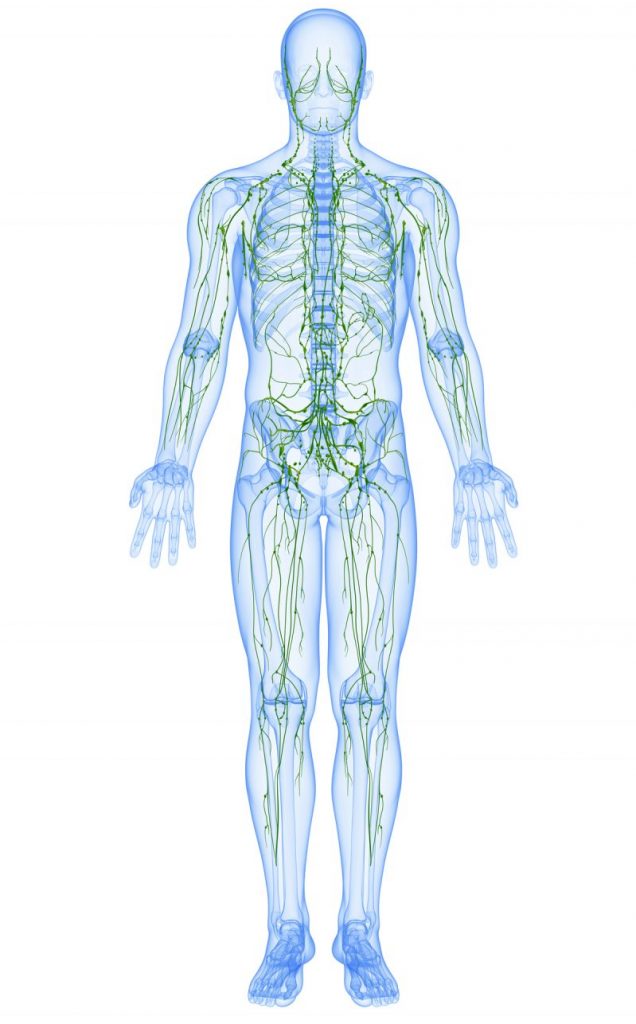
Lymphatic System

Managing Your Lymphedema After Treatment

Managing Your Lymphedema After Treatment It is very important to understand the fundamentals of managing your Lymphedema after treatment to maintain your progress. There are a few key components to successfully manage your Lymphedema at home– Daily Use of Compression Wear Daily Use of Pneumatic Compression Device Maintain a healthy weight with proper diet and activity level Follow skin and nail care tips to prevent flare ups and infections Compression Garments Compression garments are an essential component of Lymphedema management. The lymphatic fluid removed from the are throughout treatment will be maintained through the daily use of compression wear. Compression Sleeve   Pneumatic Compression Device For many patients, daily use of a pneumatic compression device is also recommended for lymphedema management post treatment. This practice will work together with the compression administered through the compression garments to maintain reduced swelling.     Skin & Nail Care Tips The condition of your skin is very much associated with your Lymphedema. Avoid Lymphedema flare ups by protecting your skin from extreme temperatures, avoiding injury, cuts, burns and bites in the affected area. Be careful with nail care to not cut your cuticles too short as this is a common reason for a flare up in swelling. To learn more, schedule your consultation today!

Managing Your Lymphedema After Treatment Read More »

Cellulitis

Lymphedema and Cellulitis

Cellulitis and Lymphedema One common complication that Lymphedema patients experience is a condition called Cellulitis. Cellulitis is a skin infection that can enter the body through a break in the skin, a scratch, an open wound or other pre-existing skin conditions. What is cellulitis ? Cellulitis occurs when bacteria, most commonly streptococcus and staphylococcus, enter through a crack or break in your skin. Any minor case of cellulitis can lead to a more advanced systemic infection called sepsis, which can be life threatening– which is why it is critical to be able to identify, prevent, and treat cellulitis quickly and effectively. Why are Lymphedema patients predisposed to getting cellulitis more often than other people? The dense fibrotic tissue associated with lymphedema increases risk for skin breakdown, slows wound healing and impedes immune response to infection. The body’s response to healing frequent infections in turn creates more fibrosis with each subsequent infection or injury, creating a cycle of worsening symptoms over time. How to recognize Cellulitis? The most obvious symptom of Cellulitis is a red, swollen area that feels hot and painful/tender. Other common symptoms of Cellulitis are fever, chills, disorientation, wounds, blisters if it progresses. What to do if you suspect you have Cellulitis– If you are experiencing symptoms that sound like Cellulitis, you should call your doctor immediately or go to your nearest emergency room. Tips to Prevent Cellulitis– Be careful to avoid injury to the skin, maintain good hygiene, manage skin conditions as directed by a physician, use lotion, and wear at least 30 mmhg compression on the affected limb to reduce the development of fibrosis. References- https://www.mayoclinic.org/diseases-conditions/cellulitis/symptoms-causes/syc-20370762

Lymphedema and Cellulitis Read More »

Healthy Food for Lymphedema Management

Nutrition, Exercise and Lymphedema

Nutrition, Exercise & Lymphedema Did You Know…  If you have Lymphedema, the foods that you eat not only impact your overall health and weight, but also have a huge impact on your Lymphedema.. Learn more about how nutrition and exercise can effect your Lymphedema.  Sodium It is always important to consume a balanced diet and avoid excessive sodium, sugar or fat. But, for people with Lymphedema, limiting your sodium intake is particularly crucial. Sodium causes fluid retention, which results in increased swelling.  Protein Lymph fluid is high in protein, but this does not mean that you should limit your protein intake. Protein is very important to a balanced diet and a healthy body.  Avoid consuming all of your protein in red meat– instead consume a variety of high protein foods. Chicken, fish and legumes are easy to digest and often are a lean source of protein. Stay Hydrated Drinking lots of water and always staying hydrated is extremely important to managing your Lymphedema. Lymph fluid is full of protein and doesn’t flow as freely as water. So, adding water to your diet will help to encourage the circulation of lymph fluid.  Dairy While it is not necessary to stop consuming dairy, it is recommended to stick to lower fat content dairy products and include more cultured dairy such as yogurt and kefir. Alcohol & Caffeine Alcohol & caffeine are both known diuretics which result in increased fluid retention, so it is recommended to have very limited quantities or none at all.  Exercise In addition to a nutritious diet, exercise can also have a huge impact on your Lymphedema—  Exercise in concurrence with Complete Decongestive Therapy can be extremely effective. Exercise causes muscle to tighten and release which facilitates in the flow of fluid.   Specific exercises are recommended on a personal basis according to their area of swelling and overall health. 

Nutrition, Exercise and Lymphedema Read More »

Our Kirby / Medical Center location has moved! Our new address is—2385 W. Bellfort Ave. #100, Houston, TX 77054